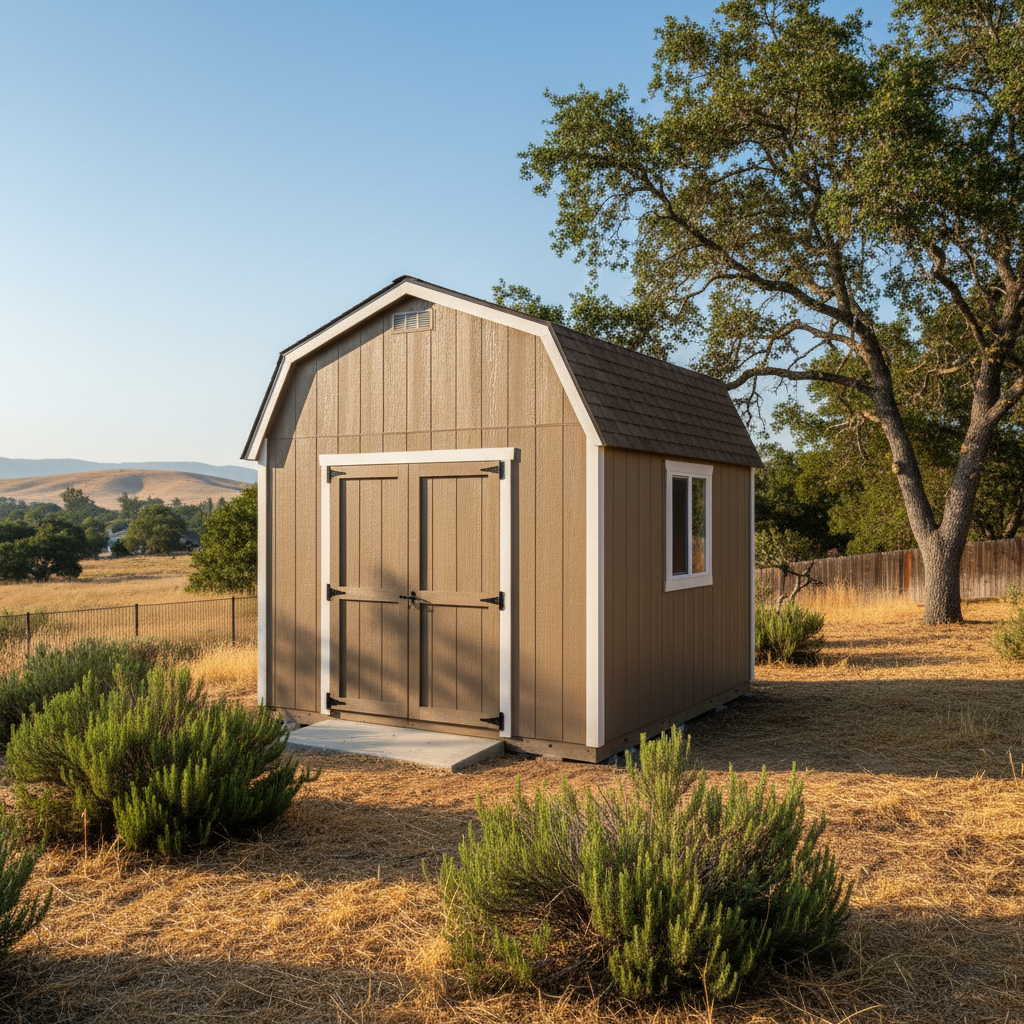
So, you've got a shed already, or maybe you're just thinking about getting one. Smart move, either way! That extra space is a real lifesaver for tools, all your gardening stuff, or just getting clutter out of the main house. But living here in Tracy, you know our weather isn't exactly a walk in the park. Our Central Valley climate throws some serious curveballs, and if you don't build and take care of your shed with those in mind, well, you're practically asking for trouble.
When's the Best Time to Build a Shed in Tracy?
Honestly, there isn't one single 'perfect' time, but some windows are definitely better than others. Spring and fall usually hit the sweet spot. The temperatures are more moderate then, which means less stress on the building materials and more comfortable conditions for whoever's doing the actual work. You get to skip the extreme heat of summer and the really heavy rains we see in winter.
If you're planning a project, getting it scheduled for late spring or early fall is a pretty smart move. It gives us good, consistent weather for setting the foundation, putting up the frame, and finishing everything up without having to rush or fight against the elements.
Tracy's Weather: What It Means for Your Shed Project
Our local climate isn't just about endless sunshine and that nice Delta breeze; it's a mix that can be pretty tough on anything sitting outside. Here's what we typically have to deal with:
- Scorching Summers: You know how hot it gets around here. Temperatures regularly climb into the high 90s, and often shoot past 100°F. This isn't just uncomfortable for us; it's brutal on materials. Wood can warp, paint can blister right off, and sealants can break down much faster. If you're building in summer, we're talking about really careful scheduling, usually starting super early in the morning to beat the worst of the heat. And get this: uninsulated sheds can hit 130°F inside, which is just no good for anything you're trying to store.
- Winter Rains: We might not get snow, but our winters can definitely bring some serious rain. All that moisture is a shed's worst enemy if you don't handle it right. Think about the clay soils we have around places like Tracy Hills, for instance; they can swell up when they get saturated, putting pressure on foundations. Good drainage around your shed isn't just a suggestion, it's absolutely essential. The City of Tracy even has programs to help folks clear storm drains to stop flooding, which is pretty neat.
- Wind: Tracy can get pretty windy, especially when that Delta breeze really starts kicking up. Strong winds can put a lot of stress on roof assemblies and all those connections. That's why having a solid foundation and really sturdy construction is so, so important.
These conditions mean we really need to be smart about what materials we pick. Here at Tracy Sheds & Structures, we always suggest treated lumber, tough siding like engineered wood or vinyl, and reliable roofing options such as asphalt shingles or metal. We choose these materials specifically because they're built to stand up to our hot sun and those occasional wet winters.
Protecting Your Shed Investment Year-Round
Once your shed is built, the job isn't over. You've got to protect that investment. Here's how to do it:
Summer Prep: Beat the Heat
- Ventilation is Key: Good airflow stops heat from building up and keeps moisture out. Make sure your shed has enough vents, and keep them clear. This helps keep the inside cooler and protects whatever you're storing.
- Insulation Matters: For our climate, insulation isn't just about staying warm; it's super important for keeping heat *out*. It creates a barrier against radiant heat, making your shed much more usable and keeping your stuff safe from extreme temperatures.
- Seal Up Cracks: The heat can make materials expand and contract, which sometimes creates little gaps. Seal any cracks or openings around windows, doors, and the foundation. This isn't just for controlling temperature; it's your first line of defense against pests looking for a cool, dark hideout.
- Exterior Maintenance: Check your paint or siding for any peeling or cracking. Our intense sun can really do a number on finishes. A fresh coat of 100% acrylic latex exterior paint, with all the seams properly caulked, will really help your shed last longer.
Winter Prep: Guard Against Moisture
- Check the Roof: Before the rains start, take a good look at your roof for any loose shingles, cracks, or damage. Even a tiny leak can turn into a huge problem.
- Clear Gutters and Drainage: Make sure your gutters are clean and that downspouts direct water well away from the shed's foundation. Standing water around the base is just asking for rot and foundation issues.
- Elevate Contents: If you're storing anything directly on the floor, especially in older sheds, think about getting it up on shelves or pallets. This protects against any potential moisture wicking up from the ground.
- Pest Patrol: Pests are always looking for shelter from the cold and wet. Seal any new entry points and keep the area around your shed neat and tidy to keep them away.
Year-Round General Tips
- Regular Inspections: Just like your house, a shed really benefits from a good once-over a few times a year. Look for signs of wear, any pest activity, or damage.
- Keep it Clean: A tidy shed is a happy shed. Clear out debris, sweep the floor, and organize your things. This not only makes it nicer to use but also helps you spot potential issues sooner.
- Mind the Foundation: Your shed's foundation is its anchor, right? If you notice any settling, cracking, or water pooling around it, deal with it quickly. A proper foundation keeps your shed level and protected from Tracy's weather, no doubt about it.
Taking just a little time to get your shed ready for Tracy's seasons can save you a whole lot of headaches and money down the road. It makes sure your storage solution stays functional and looks good for many years to come.