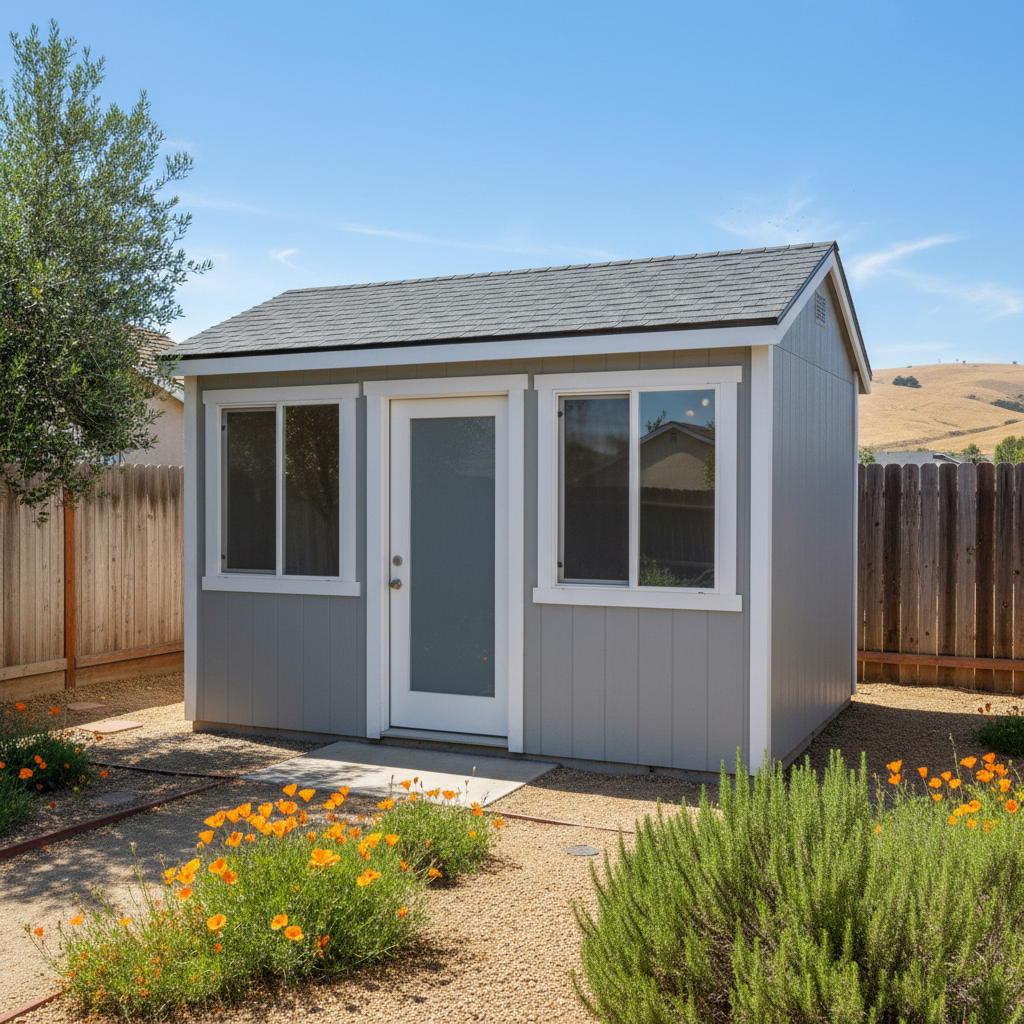
So, you've got yourself a nice office shed out back. Maybe it's where you escape the kids, or maybe it's your full-time hustle spot. Either way, it's an important part of your property, and you want it to last. I've built enough of these around Tracy to know what works and what doesn't when it comes to keeping them in good shape.
Extending Your Office Shed's Lifespan
The biggest thing you can do to make your shed last is to think about its enemies: water, sun, and pests. Here in Tracy, we get some serious summer sun that can bake a shed, and then the winter rains, even if they're not constant, can find their way in if you're not careful. Proper construction from the start helps, but ongoing care is crucial.
First, good drainage around the base is non-negotiable. If water pools around the foundation, you're asking for trouble with rot and termites. Make sure your gutters (if you have them) are clean and directing water away. If you don't have gutters, consider adding them, especially on the sides that get the most rain runoff.
Paint and sealant are your shed's first line of defense. A good quality exterior paint or stain, reapplied every 3-5 years depending on exposure, protects the wood from UV damage and moisture. Don't cheap out here; it's worth the extra few bucks for something that'll hold up to our Central Valley sun.
Ventilation is another big one. Trapped moisture inside can lead to mold, mildew, and wood rot. If your shed doesn't have good vents, especially near the roofline, you might want to look into adding some. It keeps the air moving and helps regulate temperature, which is a bonus for comfort too.
Regular Maintenance: Your Checklist
This isn't rocket science, but it does take a little consistent effort. Think of it like changing the oil in your car.
- Monthly Check: Just walk around the shed. Look for anything obvious. Are there any branches touching the roof or siding? That's an invitation for pests and can rub away protective finishes. Are there any signs of animal activity – nests, droppings, chewed wood?
- Quarterly Inspection: Get a ladder and check the roof. Look for loose or missing shingles, cracks in flashing, or debris buildup. Clean out gutters if you have them. Check the caulking around windows and doors – reapply if you see any cracking or gaps.
- Annual Deep Dive: This is where you really get into it. Wash the exterior siding to remove dirt and mildew. Inspect the foundation for cracks or signs of shifting. Check door and window hardware – hinges, latches, locks – and lubricate them if needed. Give the interior a good once-over too, looking for any signs of leaks or pest intrusion.
Especially for folks in areas like Mountain House or River Islands where homes are newer, the ground can settle a bit, so keep an eye on your shed's foundation for any changes.
Warning Signs You Can't Ignore
Catching problems early saves you a headache and a lot of money down the road. Here's what to watch for:
- Soft Spots or Discoloration: If you push on the wood siding or trim and it feels soft, or you see dark, stained areas, that's a red flag for rot.
- Peeling Paint or Cracking Caulk: This means your protective barrier is failing, and moisture can get in.
- Water Stains Inside: Any discoloration on the ceiling, walls, or floor inside the shed points to a leak. Find it and fix it fast.
- Pest Evidence: Sawdust piles, mud tubes (termites!), small holes in the wood, or actual bugs are all signs you've got uninvited guests. Termites are a real problem in our area, so don't mess around with those.
- Doors or Windows Sticking: This could mean the shed is settling unevenly, or there's moisture causing the wood to swell.
- Musty Odor: A persistent musty smell usually means you have a moisture problem and likely mold or mildew growing somewhere.
When to Call a Professional
Look, I'm a big believer in DIY, but there are times when you need to bring in the pros. If you see any of the serious warning signs I just mentioned, and you're not sure how to tackle it, don't hesitate. Things like significant structural damage, widespread rot, or a full-blown termite infestation are beyond most homeowner's capabilities. Trying to fix them yourself without the right knowledge or tools can make things worse.
Also, if you're dealing with electrical issues inside your office shed, always call a licensed electrician. Safety first, always. Here at Tracy Sheds & Structures, we've seen it all, and we're happy to give you an honest assessment if you're worried about something. Sometimes it's a simple fix, and sometimes it's more involved, but getting expert eyes on it early is always the smart play.
Keeping your office shed in good shape isn't just about protecting your investment; it's about maintaining a comfortable, safe, and productive workspace. A little effort goes a long way.