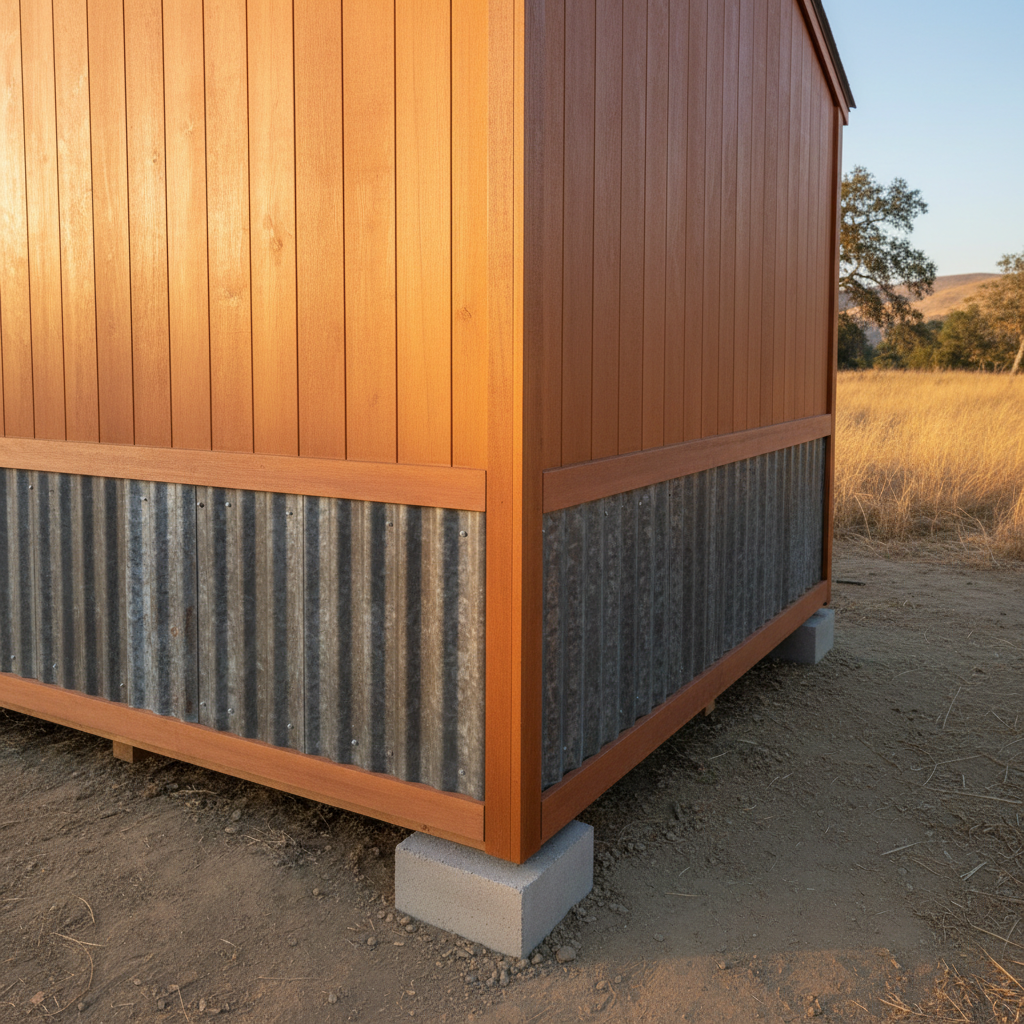
What's the first thing I should think about when planning a new garage?
Honestly, the very first thing you need to sort out isn't the size or the color. Nope, it's the purpose. What do you actually need this garage for? Is it just for parking cars, or are you hoping for a workshop, some extra storage, a home gym, or maybe even a future ADU? Knowing its main job — and any other things you want it to do — will guide every single decision you make. If it's mostly for parking, you'll be looking at different door sizes, ceiling heights, and electrical needs than if you're planning a full-blown woodworking shop, right? Don't just build a garage because you think you need one; build the garage that truly serves your specific life and property.
How big does my garage really need to be?
This goes hand-in-hand with its purpose. For a single car, you're looking at a minimum of 12x20 feet, but I always suggest going a bit bigger if you can — say, 14x24 feet — just to give you room to open doors, walk around, and maybe store a few tools. For two cars, a 20x20 foot garage is tight; 24x24 feet is much more comfortable, and 24x30 feet gives you that extra space for a workbench or some shelves without feeling cramped. If you've got a truck or an SUV, you'll definitely want to account for its length and height. Measure your vehicles! And don't forget about future needs. You might only have one car now, but what about a second, or a motorcycle, or even just more stuff you accumulate over the years? It's almost always cheaper to build bigger upfront than to try and expand later, trust me.
What kind of foundation do I need for my garage?
For any permanent structure like a garage, you're almost certainly going to need a concrete slab foundation. This isn't like a shed that can sometimes get away with a gravel pad; a garage slab needs to be engineered to support the weight of vehicles, shelving, and anything else you'll put in there, plus the structure itself. It's gotta be thick enough, usually 4-6 inches, with proper rebar or mesh reinforcement. We also need to consider the soil conditions here in Tracy. Some areas, especially closer to the delta, can have expansive clay soils that shift with moisture changes. This means we might need deeper footings or specific soil preparation to prevent cracking and settling down the line. A good contractor will always check the local soil reports and build to code, ensuring your foundation is solid for decades.
Do I need permits to build a new garage in Tracy?
Absolutely, yes. Building a new garage, whether it's attached or detached, almost always requires permits from the City of Tracy. This isn't just red tape; it's about safety and making sure your structure meets local building codes. You'll need permits for the structure itself, electrical work, and possibly plumbing if you're adding a sink or toilet. The process involves submitting plans, getting them reviewed, and having inspections at various stages of construction. Skipping permits might save you a few bucks upfront, but it can cause huge headaches later on when you try to sell your home, or if there's an issue with the structure. It's just not worth the risk. A reputable builder, like us at Tracy Sheds & Structures, will handle all the permitting for you, or at least guide you through the process.
What are my options for garage doors?
Garage doors aren't just about security; they're a huge part of your home's curb appeal and functionality. You've got a ton of options! The most common are sectional doors made of steel, which are durable and come in various insulation levels. You can get them with windows, different panel designs, and a huge range of colors. Wood doors offer a classic, warm look but require more maintenance. Composite doors give you the look of wood without all that upkeep. Then there are carriage house style doors, which mimic old-fashioned swing-out doors but operate overhead. Beyond material and style, think about insulation. An insulated door will help keep your garage cooler in our hot Tracy summers and warmer in the winter, especially if you plan to use it as a workshop. And don't forget the opener — a good, quiet, reliable opener with battery backup is a smart investment.
How can I make my garage more energy efficient?
Making your garage energy efficient is a smart move, especially with our valley temperatures. First off, insulation is key. Insulate the walls and ceiling just like you would your house. If you're building new, you've got the chance to do it right from the start. Secondly, consider your garage door's R-value; a higher R-value means better insulation. Windows, if you include them, should be double-pane, low-E glass. Good ventilation is also important to prevent heat buildup and moisture issues. You might want to consider a passive vent system, or even an exhaust fan if you'll be doing work that creates fumes. Finally, think about natural light. Skylights or strategically placed windows can reduce the need for artificial lighting during the day, saving on electricity. All these choices add up to a more comfortable and cost-effective space.
What's the typical timeline for building a new garage?
A new garage project isn't an overnight thing, but it's also not years. From the moment you decide to build, you're looking at several phases. The design and planning phase, including getting your plans drawn up and approved by the city for permits, can take anywhere from 4 to 12 weeks, sometimes more depending on the complexity and city workload. Once permits are in hand, the actual construction phase usually runs about 4 to 8 weeks for a standard two-car garage. This includes foundation work, framing, roofing, siding, electrical, and door installation. So, from start to finish, you're generally looking at a total project duration of 2 to 5 months. Of course, this can vary based on weather delays, material availability, and how quickly inspections are scheduled. We always try to give you a realistic timeline upfront so you know what to expect.