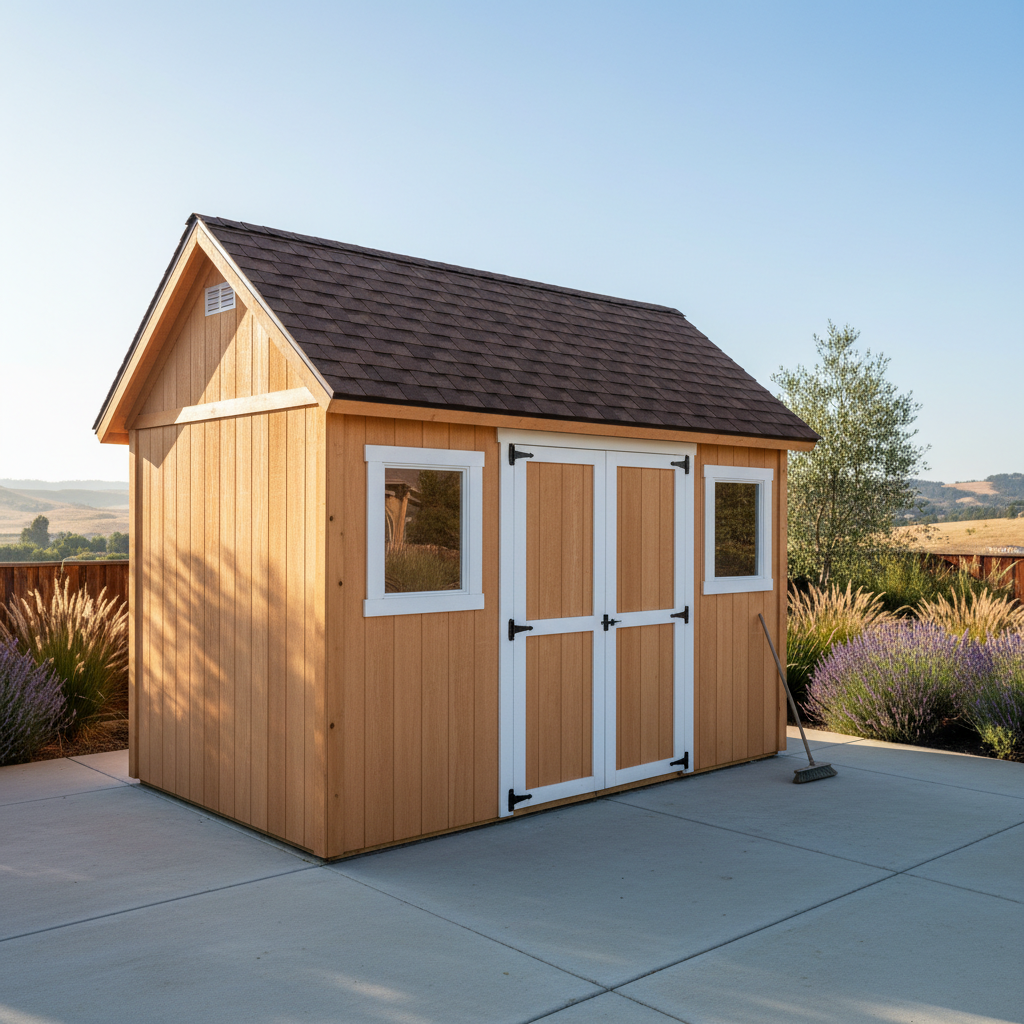
Think your garage is just a big box for your stuff? Well, it's more than that. It's a really important part of your home, keeping your cars, tools, and everything else you stash in there safe from the weather. Here in Tracy, with our super hot summers and those occasional wet winters, your garage really takes a beating. Ignore it, and you'll likely face some pricey repairs down the road. But with just a little bit of care, you can make it last a whole lot longer.
Extending Your Garage's Lifespan
The secret to a garage that lasts? Simple: taking care of it proactively. It’s not just about fixing things once they're broken; it’s about stopping them from breaking in the first place. For starters, think about what you’ve got inside. Don't overload shelves or hang heavy stuff from rafters that aren't built for it. That constant strain can twist your framing and even mess up the roof structure over time. Also, keep an eye on how well it's ventilated. Garages can get incredibly hot here in the Central Valley, especially if they face south, right? Good airflow helps stop moisture from building up and keeps wood from drying out too fast and cracking.
Another big one is pest control. We’ve got plenty of critters around Tracy, from rodents looking for a cozy spot to termites who just love a good wooden structure. You really need to check regularly for droppings, chewed wires, or those tell-tale mud tubes. If you spot any signs, deal with it immediately. A small pest problem can turn into a huge structural headache before you know it.
Regular Maintenance: What You Should Be Doing
You don't have to be a contractor to keep your garage in good shape, but you do need to be consistent. Here’s a quick checklist:
- Door Inspection: This is probably the part you use most often. Every six months, lubricate the springs, rollers, and hinges. Check the balance, too – if the door doesn't stay put when it's halfway up, the springs might need an adjustment. Oh, and test that auto-reverse safety feature every month.
- Sealants and Weatherstripping: Take a look at the rubber seal along the bottom of the garage door and any weatherstripping around the sides. Cracks or gaps are an open invitation for water, dust, and pests. Replace them if they're damaged.
- Roof Check: Twice a year, just glance up at the roof. Are there any missing shingles? Cracks in the flashing around your vents or chimney? Clear away any debris, especially if you have trees nearby dropping leaves or branches.
- Gutter Cleaning: Speaking of roofs, clean those gutters! Clogged gutters mean water overflowing and possibly pooling around your foundation, which is a big no-no for any structure.
- Exterior Paint/Siding: The sun here is brutal, isn't it? Check for peeling paint or cracking siding. Repaint or repair as needed to protect the materials underneath from moisture and UV damage.
- Interior Walls and Floor: Look for cracks in the concrete floor or walls. Little hairline cracks can usually be sealed, but bigger ones might signal foundation problems. And clean up spills quickly; you don't want staining or deterioration.
Warning Signs You Can't Ignore
Your garage will usually tell you when something's wrong, if you're paying attention. Don't just brush these off:
- Sagging Roofline or Ceiling: This is a major red flag. It could mean structural damage, water getting in, or even a foundation issue.
- Large Cracks in Foundation or Walls: Hairline cracks are often normal, but if they're wide, getting bigger, or horizontal, you've got a serious problem.
- Water Stains or Musty Odors: These point directly to a leak or too much moisture. Find the source before it leads to rot or mold.
- Garage Door Problems: If it's making strange noises, moving jerkily, or struggling to open/close, don't force it. Springs can be dangerous, and forcing it can just make things worse.
- Pest Infestation: Piles of sawdust, chewed wood, or active insect trails mean you've got uninvited guests causing damage.
- Unusual Drafts: If you feel significant drafts, your insulation or seals are failing, which means higher energy bills and potential moisture problems.
When to Call a Professional
Look, I'm a contractor myself, and I know when to call in the cavalry. Some jobs are just too big or too specialized for a DIY approach. If you see major structural damage, like a sagging roof or big foundation cracks, you need a professional engineer or a general contractor to take a look. For big garage door spring replacements or opener repairs, it’s much safer to call a garage door specialist. And if you've got persistent leaks you can't track down, or a pest problem that's beyond a simple trap, get an expert in there.
Here at Tracy Sheds & Structures, we focus on building solid, durable structures, and that expertise helps us understand what makes a garage last. We've seen plenty of garages around communities like Elissagaray Ranch and Hidden Lake that have been neglected, and believe me, fixing those problems is always more expensive than preventing them. A little preventative maintenance goes a long way in keeping your garage safe, functional, and adding value to your Tracy home for years to come.