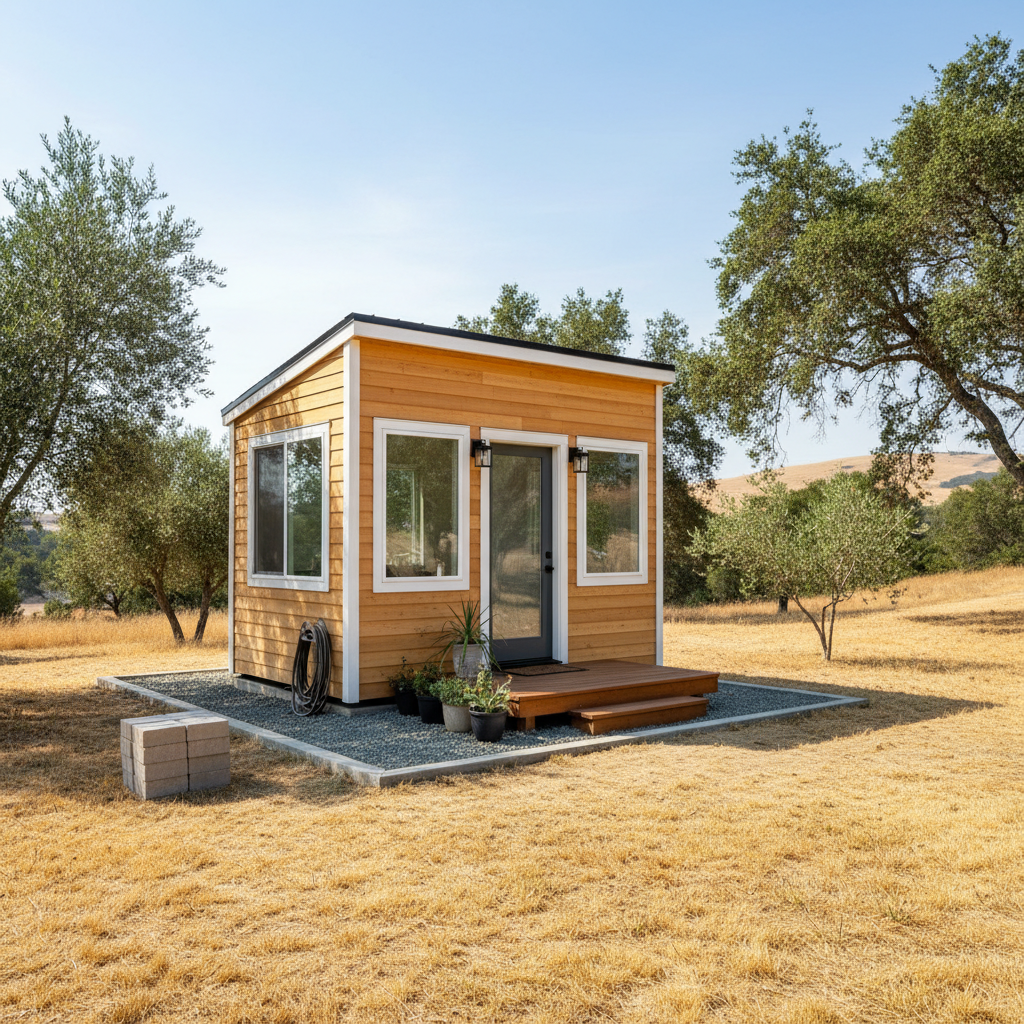
So, you're dreaming of a tiny home or an ADU (Accessory Dwelling Unit) right here in Tracy. It's a really smart idea, offering flexibility, maybe some extra income, or just a cozy spot for family. But, honestly, I've seen enough projects totally derail to know there are some common mistakes people make. You don't want to end up with a huge headache instead of a haven, do you?
Ignoring Tracy's Zoning & Permits Early On
This is probably the biggest one, a real project killer if you don't get it right. You might picture the perfect spot, say, in your backyard off MacArthur Drive, but that doesn't mean the city sees it the same way. Tracy has specific zoning rules for ADUs and tiny homes. Some areas allow them, others have size limits, and some might not allow them at all, especially if you're thinking about a detached unit.
You absolutely have to check with the City of Tracy Planning Department before you even sketch out plans or buy a kit. I'm talking about understanding setbacks, maximum heights, lot coverage, and parking requirements. I've watched people get all excited, buy a pre-fab unit, and then realize it doesn't meet local codes. Then they're stuck with a very expensive lawn ornament, or facing massive re-design costs. Don't assume anything. Verify it.
Underestimating Site Prep & Foundation Costs
A lot of folks focus on the tiny home's price tag itself – just the structure. They completely forget about everything that goes underneath and around it. Even a small building needs a proper foundation. Here in Tracy, with our expansive clay soils, you can't just plop something down on a few concrete blocks and expect it to hold. That's just asking for shifting, cracking, and structural problems down the line.
You'll need excavation, proper grading for drainage (especially with our winter rains), and a strong foundation system. Whether it's a slab, pier and beam, or something else engineered for stability, it needs to be done right. Then there's utility trenching – water, sewer, electrical. Are you connecting to existing lines? Do they need upgrades? These aren't cheap items, and they're often where budgets explode because nobody factored them in from the start.
Skimping on Experienced Local Contractors
Look, I get it. Everyone wants to save some money. But when you're dealing with something as complicated as building a place to live, cutting corners on labor is a huge gamble. I've seen people hire the cheapest bid from someone who's never worked in Tracy before, and they run into trouble fast. They don't know the local inspectors, they're not familiar with our specific building codes, or they just underestimate the soil conditions.
You want a contractor with a proven track record here in the Central Valley. Someone who knows what it takes to pass inspection the first time. Ask for references, check their license, and make sure they're insured. A good contractor might cost a bit more upfront, but they'll save you a ton of stress, time, and money in the long run by doing things correctly.
Not Planning for Utilities & Infrastructure
Where's the water coming from? How about sewage? Electricity? Are you going to need a new sub-panel for the electrical? Is your existing septic system (if you have one) able to handle the extra load, or will you need to connect to the city sewer? What about internet and cable? These aren't afterthoughts; they're absolutely critical for a livable space.
Many homeowners just assume they can tap into their main house's utilities without a hitch. Sometimes you can, but often it requires upgrades or separate connections, especially for sewer and electrical. Make sure your plans include detailed utility layouts and that you've talked these over with your contractor and the city's permitting department. You really don't want to finish your tiny home only to find out you can't flush the toilet.
Overlooking Long-Term Maintenance & Durability
A tiny home is still a home, and it needs to be built to last, especially with Tracy's hot summers and occasional wet winters. Some pre-fab units or DIY kits might seem appealing because they're cheap, but they might not be designed for our climate or for long-term durability. You want materials that can stand up to the elements and won't need constant repair.
Think about insulation, roofing materials, and exterior siding. Are they going to hold up? Will they keep your energy bills reasonable? Investing in quality materials and construction now will save you headaches and money down the road. Here at Tracy Sheds & Structures, we always emphasize building for longevity, because nobody wants to rebuild something after just a few years.
Building a tiny home or ADU is a fantastic project. Just make sure you do your homework, ask the right questions, and partner with experienced pros. That way, your small space will bring big joy, not big regrets.