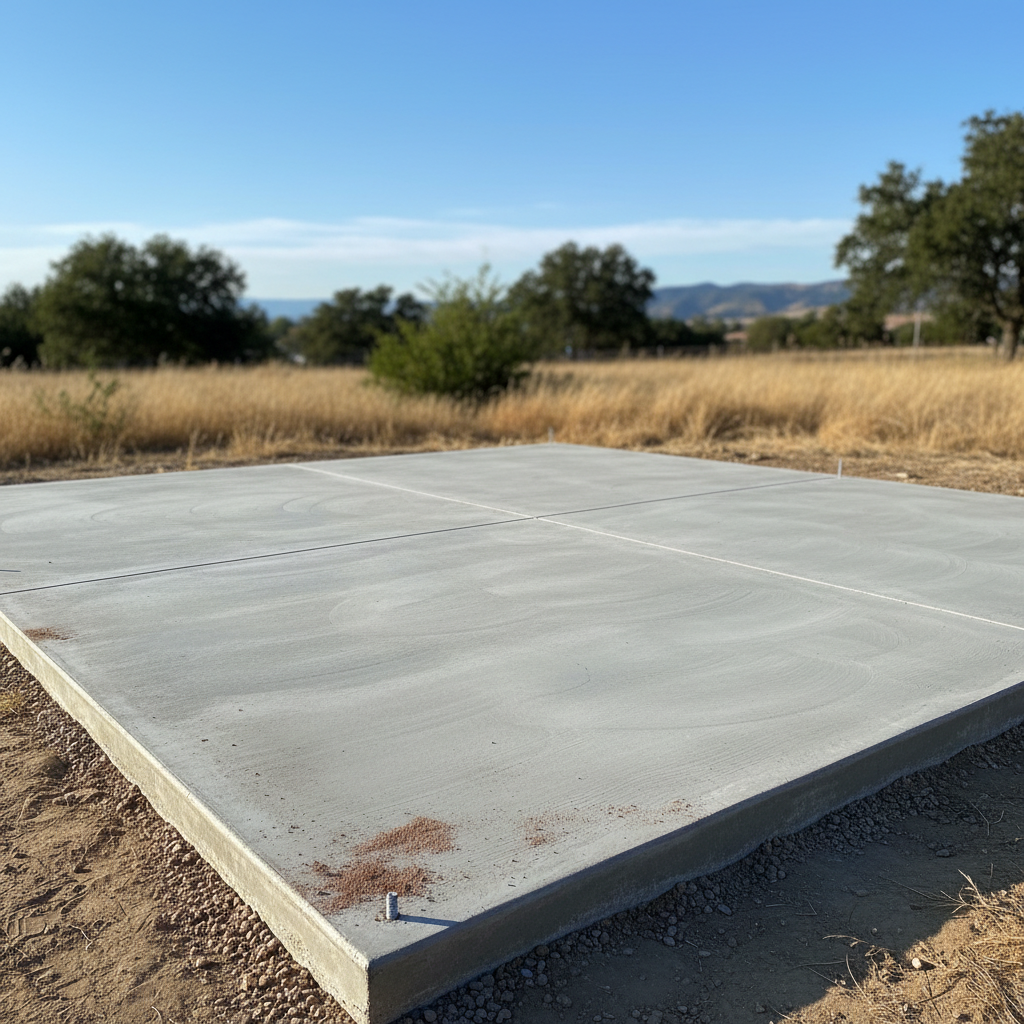
So, you're thinking about adding a shed to your Tracy property? That's great! A good shed can really change things up for storage, a workshop, or even a quiet office space. But before you even start thinking about the walls and roof, you've got to get the foundation right. Trust me, I've seen too many folks try to cut corners here, and it always leads to headaches down the road. A solid foundation isn't just about keeping your shed from sinking; it protects your investment from moisture, pests, and the general wear and tear of our Central Valley weather.
Before You Dig: Planning & Permits
First things first, don't just grab a shovel and start digging. You've got to do a little homework. The very first step? Check with the City of Tracy's planning department. Even for a shed, you might need a permit, especially if it's over a certain size or if you're connecting utilities. You definitely don't want to build something only to find out you have to tear it down or pay hefty fines. It's a pain, sure, but a necessary one. While you're at it, call 811 before any digging to locate underground utilities. Seriously, you don't want to hit a gas line or an irrigation pipe – that's a whole different kind of headache.
Next, think about where you'll put the shed. Consider drainage. You don't want your shed sitting in a puddle every time we get a good winter rain. Look at the slope of your yard. If it slopes a lot, you'll need to do more leveling, which can add to the complexity. Also, think about access. How are you going to get materials to the site? And how will you get your lawnmower or whatever else you're storing in there, in and out?
Finally, what kind of shed are you getting? A small plastic resin shed for garden tools is very different from a large wooden shed that's going to hold heavy equipment. The type and size of your shed will dictate the foundation type. For smaller, lighter sheds, a simple gravel pad or concrete blocks might work. For anything bigger or heavier, especially if you plan on spending a lot of time in it, you're probably looking at a concrete slab or a more robust pier-and-beam system. We build all kinds of structures at Tracy Sheds & Structures, and I can tell you, the foundation is where it all starts.
Foundation Options: DIY vs. Pro
Let's talk about the actual foundation types and what you can realistically do yourself versus when it's smart to call a professional.
- Gravel Pad: This is probably the most common DIY option for smaller sheds. You'll need to dig out the area, lay down a weed barrier, build a retaining frame (usually from treated lumber), and then fill it with compacted gravel. It's relatively inexpensive and good for drainage. You can definitely tackle this yourself if you're comfortable with a shovel, a level, and some basic carpentry. Just make sure you get that gravel compacted really, really well.
- Concrete Blocks/Pavers: Another DIY-friendly option, especially for pre-built sheds. You'll level the ground, lay down a gravel base, and then strategically place concrete blocks or pavers to support the shed's skids. The key here is making sure everything is perfectly level across all points. If it's not, your shed will twist and rack over time, leading to door and window issues.
- Concrete Slab: Now we're getting into more serious territory. A concrete slab provides the most stable and durable foundation. It's excellent for larger sheds, workshops, or any shed where you want a truly permanent, solid floor. Can you DIY a concrete slab? Technically, yes. But it's a lot of work. You're talking about excavating, building forms, laying rebar or wire mesh, and then pouring and finishing concrete. Concrete is heavy, it sets fast, and it's unforgiving if you make a mistake. For most homeowners, especially for anything over, say, 8x10 feet, I'd strongly recommend hiring a concrete contractor. They've got the equipment, the crew, and the know-how to get it done right the first time. The soil here in Tracy, especially in some of the older neighborhoods like those around the ACE train station, can be a mix of clay and loam, which means proper compaction and a good base are even more critical for a slab.
- Pier and Beam: This involves digging holes, pouring concrete piers, and then building a wooden frame on top. It's great for sloped yards or if you want to keep the shed floor elevated for extra ventilation or to run utilities underneath. This is another one that can be DIYed if you've got solid carpentry skills and can handle digging and pouring concrete for the piers. But again, getting everything level and square is critical, and it can get complicated quickly.
During & After: What to Watch For
Once your foundation is in, whether you did it yourself or hired a pro, give it time to cure if it's concrete. Don't rush to put the shed on it. For gravel or block foundations, double-check your level one last time before the shed arrives. You'd be surprised how much things can shift, even a little bit.
After the shed is on the foundation, keep an eye on things. Check for settling, especially in the first few months. If you see any unevenness, address it quickly. For wooden foundations, make sure you've got good ventilation underneath to prevent moisture buildup and rot. This is especially important in our hot, dry summers and occasional wet winters. You don't want condensation forming under there, do you? Proper drainage around the shed is also key. Make sure water is directed away from the foundation, not pooling up against it.
Building a shed is an exciting project, and getting the foundation right is the most important step. Don't skimp on the prep work, and know your limits. Sometimes, spending a little extra on a pro for the foundation will save you a lot of money and grief in the long run. Good luck with your project!