So, you're dreaming of a new garage, huh? Maybe you need more space for your tools, a dedicated workshop, or just somewhere to finally park both cars without playing Tetris. It's a big project, no doubt about it. And one of the first things folks ask me is, "Can I do some of this myself?" My answer is always, "Depends on what 'this' is."
Before You Even Start Digging
Before you lift a single hammer, you've got to do your homework. This isn't just about picking out a pretty door; it's about making sure your dream garage can actually happen. First up, zoning and permits. You can't skip this part, I don't care how good you are with a tape measure. Every city, including Tracy, has rules about setbacks, height limits, and how much of your lot you can build on. Go down to the City of Tracy Planning Department or check their website. They'll have all the info you need. Trust me, getting caught building without a permit is a headache you absolutely don't want. And it'll cost you way more in fines than the permit itself.
Next, think about what you'll really use the garage for. Is it just for parking? Or are you planning a woodworking shop with heavy machinery? That's going to impact your foundation, electrical needs, and even the insulation. If you're going to be running power tools, you'll need dedicated circuits. If you're storing sensitive equipment, you'll want good insulation and maybe even climate control. Don't just build a box; build a space that truly works for you.
I've seen folks in older neighborhoods, like those around Central Avenue, try to squeeze a huge garage onto a small lot. Sometimes it works, sometimes it doesn't. Knowing your property lines and local regulations upfront saves a ton of grief. You can probably handle the permit research yourself, but if the zoning is tricky or you need variances, that's when a pro might help you deal with the bureaucracy.
Foundation & Framing: Where DIY Gets Tricky
Alright, let's talk about the actual build. The foundation is absolutely critical. In our area, with the expansive clay soils we often deal with — especially on the west side of Tracy — you can't just pour concrete willy-nilly. You need proper compaction, rebar, and often a thicker slab or even footings to prevent cracking and settling down the line. This isn't a DIY job for most homeowners. Unless you've got serious experience with concrete work, know how to read engineering plans, and have access to heavy equipment, you're going to want a professional for the foundation. A bad foundation means a bad garage, plain and simple.
Framing is another area where I see homeowners get in over their heads. Can you frame a wall? Maybe. But can you frame an entire garage that's square, plumb, level, and strong enough to hold up a roof and withstand our occasional high winds? That's a different story. You need to understand load-bearing walls, headers, rafter angles, and how to properly brace everything. If your walls aren't square, your roof won't fit right, your doors won't close, and you'll have headaches for years. For the main structural framing, I'd strongly recommend a professional framing crew. They'll get it done quickly, correctly, and safely.
Where can you DIY? Demolition, if there's an old structure. Cleanup. Maybe some of the simpler interior framing for non-load-bearing walls if you're building out a workshop. But for the bones of the building, call in the experts. That's what we do at Tracy Sheds & Structures – we build things right so they last.
Roofing, Siding, & Finishing Touches
Once the frame is up, you're looking at roofing and siding. Roofing can be dangerous, especially on a tall garage. If you're comfortable on a ladder, understand how to lay shingles or metal, and have the right safety gear, you might tackle a simple gable roof. But if it's steep, complex, or you're not experienced, hire a roofer. Falling off a roof isn't worth saving a few bucks.
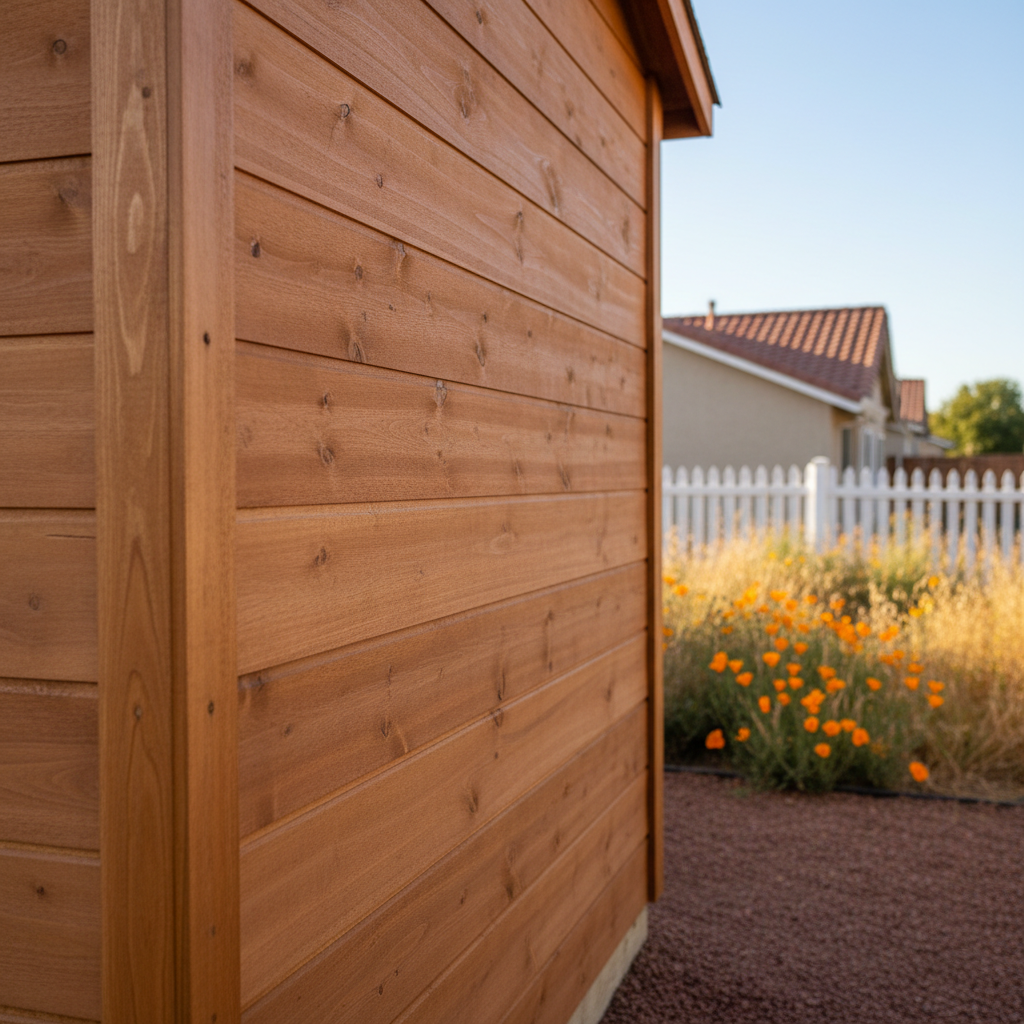
Siding is often more DIY-friendly. Vinyl siding, T1-11, or even simple horizontal wood siding can be installed by a homeowner with decent carpentry skills. You'll need to understand flashing around windows and doors to prevent water from getting in, which is crucial. Painting is definitely a DIY job for most people, though it's a lot of work on a full garage.
Inside, you can absolutely handle insulation, drywall hanging (though finishing drywall is an art form), and painting. Electrical and plumbing, however, are almost always jobs for licensed professionals. Messing with electricity can be deadly, and bad plumbing can cause serious water damage. Plus, these usually require inspections, and a licensed pro knows the codes inside and out.
After the Build: Maintenance & Enjoyment
Once your new garage is standing proud, don't forget about maintenance. Keep an eye on your roof for damaged shingles, especially after a winter storm. Check your siding for cracks or gaps. Keep the gutters clean – those leaves from the sycamores around Dr. Powers Park can really clog things up! A little preventative care goes a long way in extending the life of your garage.
Enjoy your new space! Whether it's for parking, projects, or just extra storage, a well-built garage adds value and functionality to your home. Just remember, know your limits, and don't be afraid to call in a pro when the job demands it. It'll save you time, money, and a lot of frustration in the long run.