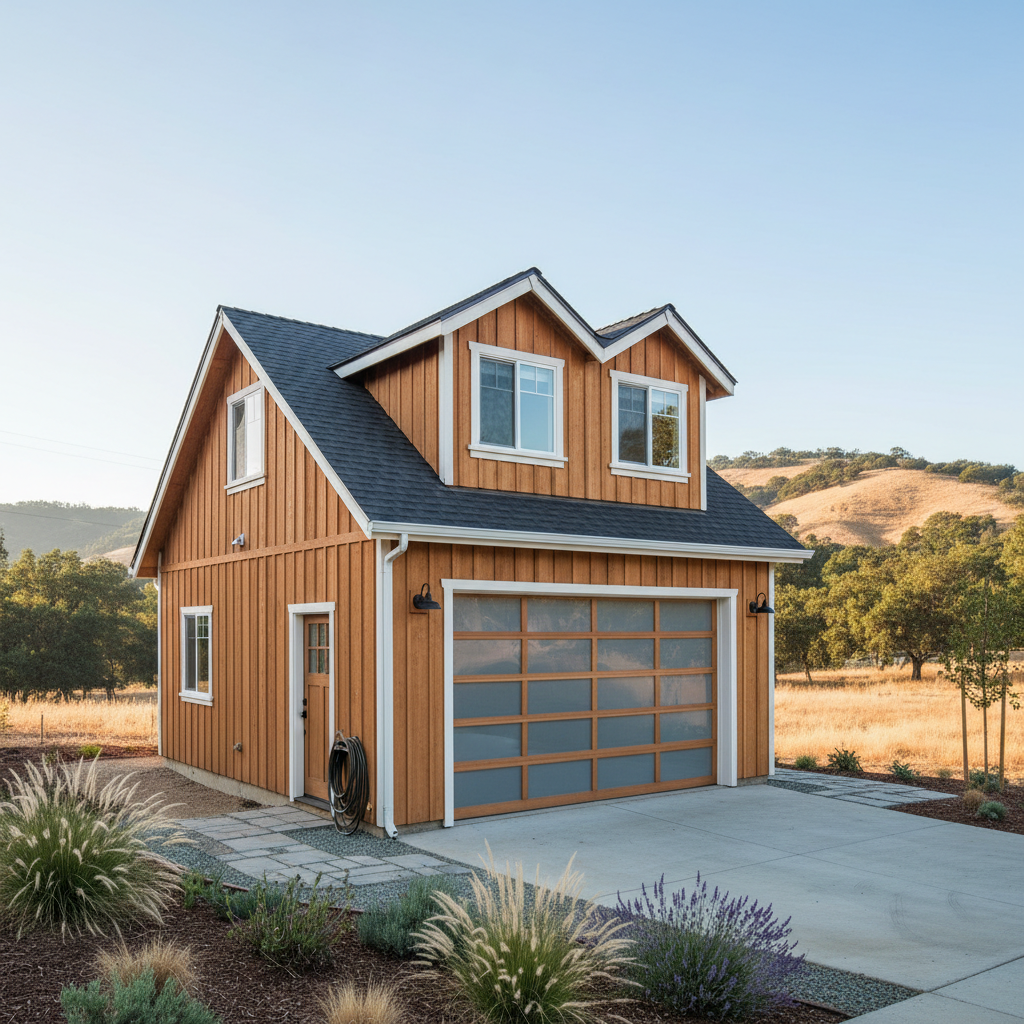
So, you're thinking about adding a new garage to your place, right? Maybe you're just sick of parking outside, or you really need a dedicated spot for your workshop. Whatever the reason, building something new like a garage is a pretty big deal, and it's smart to go into it with your eyes wide open. I've seen tons of these projects around Tracy, from the older homes near downtown to the newer spots out by Mountain House, and let me tell you, good planning makes all the difference.
Your Garage Project Timeline: What to Expect
Let's talk about how long this whole thing usually takes. It's definitely not an overnight job, that much is certain. From the moment you decide you want a garage until the day you're actually parking your car inside, you're generally looking at several months – sometimes even longer. Here's a rough breakdown:
- Design & Planning (1-2 months): This is where you figure out exactly what you want. You'll team up with a designer or architect to get plans drawn up, pick out materials, and make sure everything's just right. This stage also includes getting engineering done, which is super important for our local soil here in Tracy; it can be pretty expansive clay, you know?
- Permitting (1-3 months, or more): This often ends up being the biggest wild card. You'll send your plans over to the City of Tracy building department. They'll review everything to make sure it meets all the local codes. If you need revisions, that can add more time, so patience is key here.
- Contractor Selection (2-4 weeks): Once you've got those approved plans in hand, you'll start getting bids from different contractors. It takes some time to compare them, check references, and then make your final choice.
- Construction (2-4 months): This is the actual build. We're talking foundation, framing, roofing, electrical, plumbing (if you're adding a sink or toilet, for instance), siding, doors, windows, and all the finishing touches. Weather can really throw a wrench in things here, especially during our hot summers or those occasional rainy winters.
- Final Inspections & Occupancy (1-2 weeks): After construction wraps up, the city will come out for final inspections. Once everything passes, you'll get your certificate of occupancy.
So, all told, you're probably looking at 6 to 10 months from start to finish. Don't let anyone tell you it'll be quicker, unless it's a super simple, pre-fab kit garage – and even those need permits, believe me.
What to Expect During the Process
Building a garage isn't like ordering a pizza; it's a bit more involved. There's going to be some disruption, some noise, and definitely some dust. Here's what you should be ready for:
- Noise and Activity: Get ready for construction noise – saws, hammers, machinery. You'll have workers on your property, and trucks coming and going.
- Temporary Utility Interruptions: Sometimes, for safety or to connect to your existing systems, your power or water might need to be shut off for a short bit. Your contractor should always give you a heads-up beforehand.
- Site Access: Make sure there's clear access for equipment and materials. This might mean moving cars, clearing pathways, or even temporarily relocating some landscaping.
- Inspections: The city will send inspectors out at various stages (foundation, framing, electrical, plumbing, final). Your contractor will handle coordinating these, but it's just part of the deal.
- Decisions, Decisions: You'll be making choices all the way through – paint colors, flooring, garage door style, light fixtures. Try to nail down these decisions early to avoid any hold-ups.
It's a journey, and there will be good days and not-so-good days. Just keep talking openly with your contractor, and you'll get through it.
How to Prepare Your Home and Yourself
Getting ready for a garage build means more than just clearing out the space. You really need to think about a few things:
- Clear the Area: This sounds obvious, but seriously, clear out anything that's in the way of the new garage or the construction path. That means old sheds, play structures, landscaping, even that pile of bricks you've been meaning to move forever.
- Protect Your Property: If the construction is close to your house, think about covering windows, outdoor furniture, or even delicate plants. This keeps them safe from dust and debris.
- Talk to Your Neighbors: A little heads-up goes a long way, truly. Let your neighbors know you'll have construction happening, give them a general timeline, and apologize in advance for any noise or inconvenience. It really helps keep things friendly.
- Budget for the Unexpected: Always have a contingency fund, usually about 10-15% of your total project cost. You just never know what you might find once you start digging, or if you'll decide on an upgrade mid-project.
- Understand Your HOA Rules: If you're in an HOA, you absolutely need their approval before you even think about submitting plans to the city. Don't skip this step; it can cause major headaches down the road.
Being prepared makes the whole experience much smoother for everyone involved.
Questions to Ask Before Signing a Contract
Before you put your name on that dotted line, you need to be crystal clear on what you're getting into. Don't be shy; ask every single question you have. Here are some really important ones:
- What's the detailed scope of work? Make sure the contract spells out exactly what's included and what's not. Don't assume anything. Does it include demolition? Landscaping repair? Hauling away debris?
- What's the payment schedule? How much do they need upfront? What are the progress payments tied to? Never pay for work that hasn't actually been done yet.
- What's the estimated timeline, and what happens if there are delays? Get a realistic schedule and ask about penalties or procedures for delays caused by either party.
- Who pulls the permits? It should always be the contractor. This makes sure they're responsible for meeting code.
- Are you licensed and insured? Ask for proof of their CSLB license (you can check it online!) and liability insurance. Also, ask for proof of workers' compensation insurance if they have employees. This protects you if someone gets hurt on your property.
- What's your warranty on the work? How long does it last, and what does it cover?
- How do you handle change orders? If you want to change something mid-project, what's the process for approving new costs and timelines? Get everything in writing.
- Can I see references and examples of similar work? Talk to past clients. Visit some of their completed projects if you can.
- What's your communication plan? How often will we talk? Who is my main contact person?
At Tracy Sheds & Structures, we believe in being totally upfront about all this stuff because it leads to a better project and a happier homeowner. A good contractor won't mind you asking these questions; in fact, they'll probably appreciate you being thorough. It just shows you're serious about your project and want to get it right.